
Top Trends in Modern Home Construction
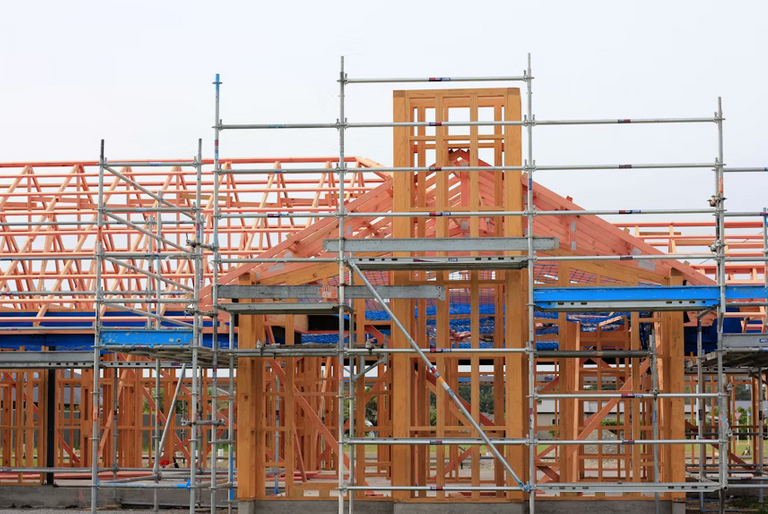
The construction industry is transforming significantly, driven by technology, sustainability, and evolving homeowner expectations. Modern home construction now goes beyond simply building walls and roofs; it involves innovation, efficiency, and smart integration of new tools and techniques. Among these developments, artificial intelligence (AI) is emerging as a game-changer, helping architects and builders optimize designs, improve material efficiency, and reduce waste. For a deeper look into how technology, particularly AI, is influencing architecture and construction, check out Die Brandenburger.
Sustainable and Eco-Friendly Materials
Sustainability has become a central focus in home construction. Builders increasingly use renewable, recycled, or low-carbon materials to reduce environmental impact. Bamboo, reclaimed wood, recycled steel, and eco-friendly concrete are becoming popular because of their durability and low ecological footprint. Homeowners also seek insulation materials and finishes that reduce energy consumption, such as high-performance windows and thermally efficient coatings. Incorporating sustainable materials contributes to environmental protection and increases a home’s long-term value by improving energy efficiency and lowering utility costs.
Smart Homes and Integrated Technology

Modern homes are becoming smarter, integrating advanced technology for convenience, security, and energy management. Smart thermostats, lighting systems, security cameras, and voice-controlled devices are standard features in new builds. Automation allows homeowners to manage appliances, heating, and lighting remotely, optimizing comfort and energy use. AI plays a role in these systems by analyzing usage patterns and suggesting adjustments to improve efficiency. Beyond convenience, technology integration enhances property value, attracting buyers who prioritize innovation and connected living environments.
AI-Assisted Design and Planning
Artificial intelligence is changing how homes are conceptualized and constructed. AI tools can generate multiple design variations within minutes, analyze structural integrity, and predict energy performance before construction begins. Builders and architects use AI to optimize layouts, suggest materials, and anticipate potential construction challenges. This technology reduces costly errors, improves accuracy, and accelerates project timelines. By combining human creativity with AI-powered efficiency, modern home construction can achieve a balance of aesthetics, functionality, and sustainability that was previously difficult to attain.
Modular and Prefabricated Construction
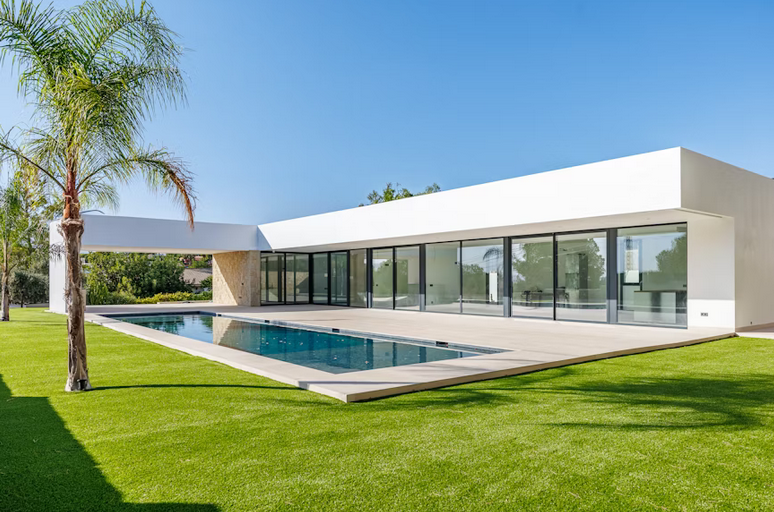
Prefabrication and modular construction methods are increasingly popular for modern homes. These techniques involve assembling components in a factory environment before transporting them to the site, reducing construction time and material waste. Modular homes offer flexibility in design, allowing sections to be added or modified easily. This approach also improves control of qualtiy, as elements are built in controlled environments, minimizing exposure to weather or external delays. Homeowners benefit from faster completion times and reduced labor costs while enjoying highly customized living spaces.
Open-Concept and Flexible Layouts
Contemporary home design emphasizes openness, adaptability, and multifunctional spaces. Open-concept layouts blur the lines between living, dining, and kitchen areas, creating a sense of spaciousness and promoting social interaction. Flexible designs allow rooms to serve multiple purposes, accommodating remote work, exercise, or entertainment needs. Movable partitions, sliding doors, and adaptable furniture contribute to this flexibility, enabling homeowners to modify spaces as lifestyle needs evolve. Prioritizing functional layouts ensures homes remain practical and inviting while reflecting modern living preferences.
The modern home construction landscape is being reshaped by innovation, sustainability, and technological integration. Trends such as eco-friendly materials, smart home systems, AI-assisted design, modular construction, and flexible layouts are redefining what homeowners expect from their living spaces.